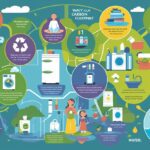
What Makes a Product Truly Eco-Friendly? Decoding Green Claims
In an age where environmental consciousness is no longer a niche concern but a global imperative, consumers are increasingly seeking out products that align with their values. The term “eco-friendly” has become a ubiquitous buzzword, adorning everything from cleaning supplies to clothing. But with so many brands vying for our attention with green promises, it’s easy to feel overwhelmed by the sheer volume of claims. How can you, as a conscious consumer, discern between genuine sustainability efforts and clever marketing tactics? The truth is, determining what makes a product truly eco-friendly goes far beyond a single label or a catchy slogan. It requires a holistic understanding of a product’s entire lifecycle, from its raw materials to its eventual disposal. This article will equip you with the knowledge to look beyond the surface and identify products that genuinely contribute to a healthier planet.
—
Beyond the Buzzwords: The Lifecycle Approach to Eco-Friendliness
To truly understand a product’s environmental impact, we need to consider its journey from conception to conclusion. This is known as a “lifecycle assessment” (LCA), and it’s the most comprehensive way to evaluate sustainability. It’s not just about one aspect; it’s about the cumulative impact at every stage.
Raw Material Sourcing: Where Does It Begin?
The journey of any product begins with its raw materials, and this is where the first critical eco-friendly assessment must be made. Are the materials renewable or non-renewable? How are they extracted or cultivated?
- Renewable Resources: Products made from rapidly renewable resources like bamboo, hemp, organic cotton, or recycled materials are generally more eco-friendly. These materials can be replenished relatively quickly, reducing pressure on finite natural resources.
- Sustainable Harvesting/Extraction: Even renewable resources need to be harvested sustainably. For instance, wood should come from sustainably managed forests (e.g., FSC certified). For non-renewable resources, responsible mining practices that minimize environmental disruption are crucial.
- Recycled Content: Products incorporating post-consumer or post-industrial recycled content reduce the demand for virgin materials and divert waste from landfills. The higher the percentage of recycled content, the better.
- Avoidance of Harmful Chemicals: The sourcing process should avoid the use of toxic pesticides, herbicides, or other harmful chemicals that can pollute soil, water, and air, impacting ecosystems and human health. Look for certifications like GOTS for textiles.
Manufacturing and Production: The Energy & Waste Footprint
Once raw materials are sourced, they undergo transformation into a finished product. This stage is often energy-intensive and can generate significant waste and pollution.
- Energy Efficiency: Truly eco-friendly products are manufactured using energy-efficient processes. This includes utilizing renewable energy sources (solar, wind) for production and minimizing energy consumption at every step.
- Waste Reduction: Sustainable manufacturing aims for minimal waste generation, often through lean manufacturing principles, closed-loop systems, and effective recycling programs within the factory.
- Water Conservation: Water-intensive industries should implement practices to reduce water usage, reuse wastewater, and prevent contamination of local water sources.
- Pollution Control: Factories should employ advanced technologies to filter emissions, treat wastewater, and manage hazardous waste responsibly, preventing air and water pollution.
- Fair Labor Practices: While not directly environmental, ethical labor practices (fair wages, safe working conditions) are intrinsically linked to overall sustainability. Many consumers consider this a vital aspect of an eco-friendly brand.
—
Packaging and Distribution: Reducing the Footprint of Delivery
A product might be sustainably made, but if its packaging is excessive or non-recyclable, or its distribution causes high emissions, its overall eco-friendliness takes a hit.
Sustainable Packaging: Less is More, and Recyclable is Key
Packaging often accounts for a significant portion of a product’s environmental impact. Truly eco-friendly packaging adheres to several principles:
- Minimalism: Using only the necessary amount of packaging to protect the product.
- Recyclable or Compostable Materials: Prioritizing materials like recycled paper, cardboard, glass, or certain plastics that can be easily recycled or composted in existing municipal systems.
- Biodegradable Options: While promising, it’s important to differentiate between genuinely compostable materials (which break down into natural elements) and “degradable” plastics that simply break into smaller microplastics.
- Eliminating Single-Use Plastics: Reducing or eliminating virgin plastic packaging, especially single-use varieties.
- Non-Toxic Inks and Adhesives: Ensuring that any inks or adhesives used on packaging are free from harmful chemicals.
Efficient Distribution: Lowering Transport Emissions
The journey from factory to consumer can be carbon-intensive. Eco-friendly distribution aims to minimize this impact:
- Optimized Logistics: Efficient routing, full truckloads, and consolidation of shipments reduce fuel consumption.
- Local Sourcing (where possible): Sourcing raw materials and manufacturing closer to markets reduces transportation distances.
- Alternative Transport: Utilizing lower-emission transport methods like rail or sea freight over air freight where feasible.
—
Product Use and End-of-Life: Longevity and Circularity
The environmental impact doesn’t end when you purchase a product. Its use phase and what happens to it after its useful life are equally critical.
Durability and Longevity: Built to Last
A product designed to last longer inherently reduces waste. Frequent replacement of short-lived products consumes more resources and energy over time. What makes a product truly eco-friendly often comes down to its ability to withstand the test of time, reducing the need for constant consumption.
Energy and Resource Efficiency During Use
For products that consume energy or water during their use (e.g., appliances), their efficiency is paramount. Look for energy-star ratings or water-efficient labels. Products designed to minimize the need for consumables (like refillable options) also contribute to eco-friendliness.
Repairability and Modularity
Can the product be easily repaired? Are parts replaceable? Modularity allows for components to be upgraded or replaced, extending the product’s lifespan and reducing overall waste. The “right to repair” movement highlights the importance of this aspect.
End-of-Life Management: Closing the Loop
This is where the concept of the “circular economy” truly comes into play. What happens when the product is no longer useful?
- Recyclability: Can the product itself be easily recycled into new materials without significant energy or resource input? Clear recycling instructions are a plus.
- Compostability/Biodegradability: For organic products, can they safely return to the Earth without leaving harmful residues?
- Upcycling Potential: Can the product be repurposed or transformed into something new, giving it a second life?
- Manufacturer Take-Back Programs: Some responsible companies offer programs to take back their old products for recycling or proper disposal, ensuring they don’t end up in landfills.
A truly eco-friendly product considers its entire journey, aiming for minimal environmental impact at every stage and striving to keep resources in use for as long as possible.
—
The Role of Certifications and Transparency
Navigating the world of eco-labels can be confusing. While some are legitimate and backed by rigorous standards, others are less trustworthy (“greenwashing”).
- Third-Party Certifications: Look for reputable, independent third-party certifications (e.g., Energy Star, USDA Organic, Fair Trade, B Corp, Cradle to Cradle, EPEAT). These provide an external verification of a product’s environmental claims.
- Transparency: Brands that are genuinely committed to eco-friendliness are often transparent about their supply chains, manufacturing processes, and environmental goals. They should be able to provide data and clear information to back up their claims.
- Avoiding Greenwashing: Be wary of vague terms like “natural,” “green,” or “earth-friendly” without specific details or certifications to support them. Also, watch out for brands that highlight one minor eco-friendly feature while overlooking significant environmental harms elsewhere in their operations.
—
Understanding what makes a product truly eco-friendly is a journey that empowers you as a consumer. It means looking beyond catchy marketing slogans and delving into the deeper story of a product’s creation, use, and end-of-life. By prioritizing products with sustainable sourcing, efficient manufacturing, minimal and responsible packaging, and a clear path to reuse or recycling, we can collectively drive demand for a more circular and environmentally conscious economy. Every purchasing decision holds power. Choose wisely, support brands committed to genuine sustainability, and become an advocate for a healthier planet. Your choices truly make a difference. What eco-friendly change will you make in your next purchase?